
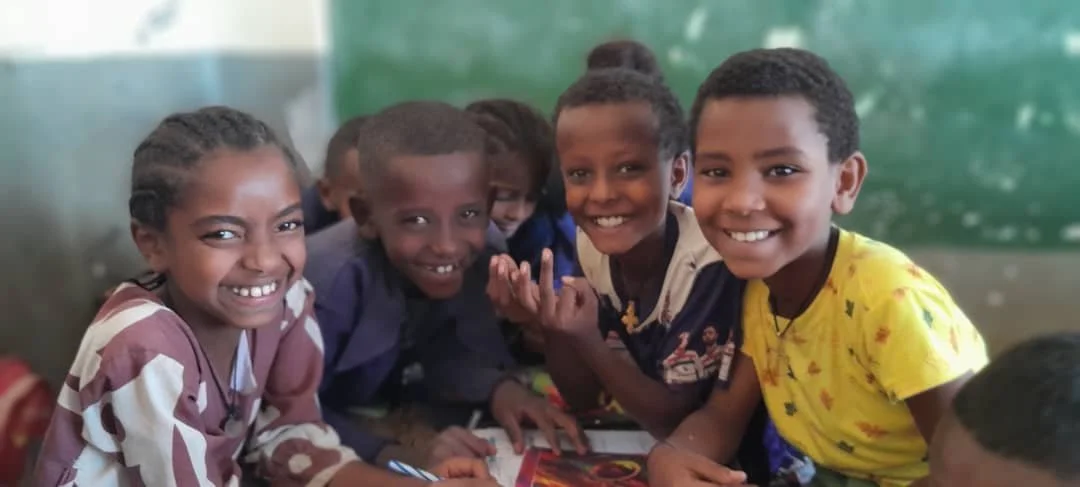
Every child in Ethiopia can learn to read.
Teach For Ethiopia places trained, coached university graduates in public schools for two years. In one school year their students improve 20–30% in reading and math.
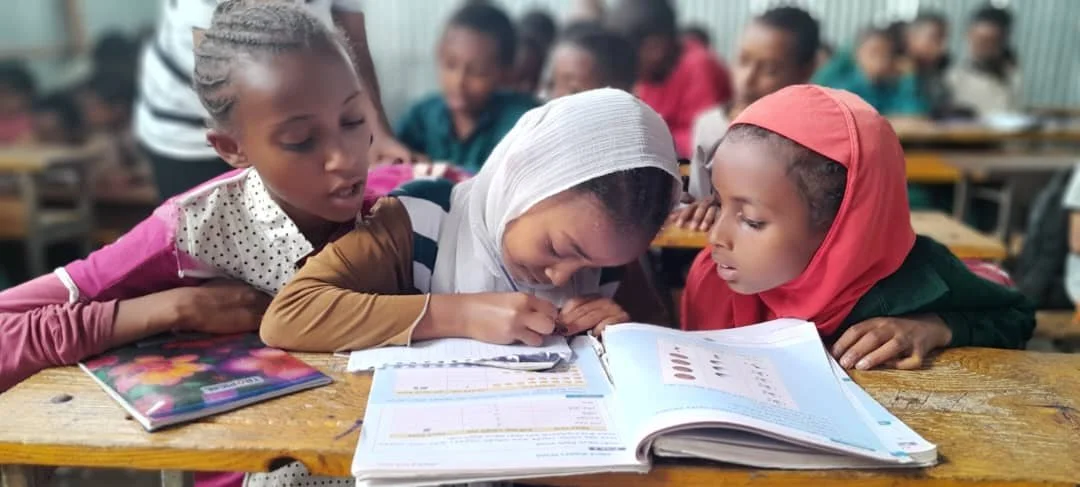
Too many children reach Grade 3 at reading level zero.
In many of the schools where our Fellows teach, most children in the lower grades start the year unable to read a word or solve a simple sum. Classes are large, so the teacher often lectures from the front. The children who are behind stay behind and move up a grade anyway.
Each year a child spends without the basics makes every later subject harder. Literacy and numeracy are the foundation for everything that follows.
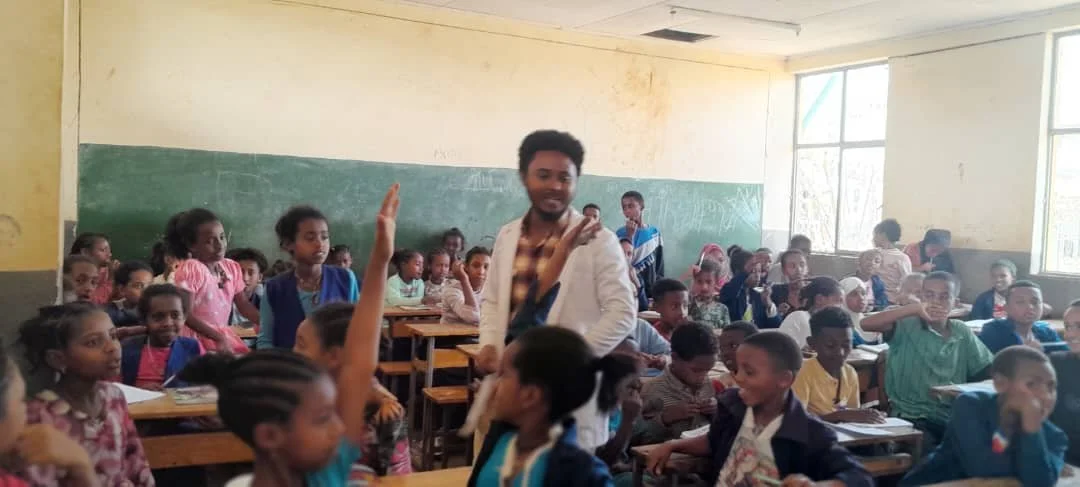
We know what it takes to make a classroom work.
Our coaches were once Fellows themselves. They know what it’s like to face a crowded classroom in your first month, and they know what turns it around.
Every Fellow gets about four coaching visits a month, with detailed feedback.
Five pillars of a TFE classroom.
We teach the Ethiopian national curriculum in full. What we change is how it’s taught.
1. Joyful, student-centred learning
Children learn by doing, talking and moving, and the lessons are built around what they do. When learning is fun, children come back and keep trying.
2. Print-rich classrooms
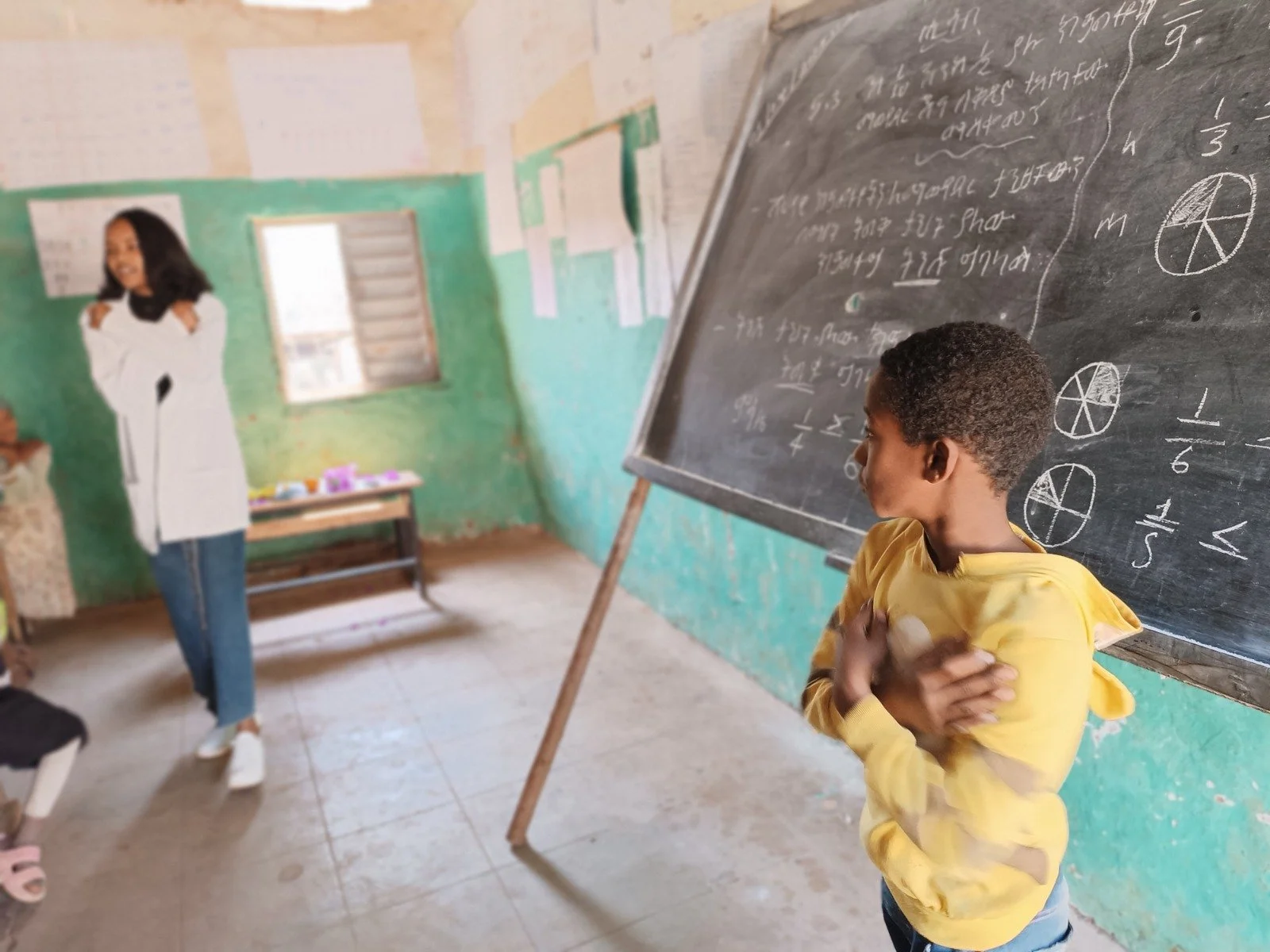
Every wall teaches something. Fellows make low-cost teaching aids from cards, glue, sticks and whatever is on hand, so children are surrounded by letters, words and numbers all day.
3. Teaching at the right level
At the start of each school year, every child gets an individual portfolio that records where they are. Fellows group children by level, so each group works on what it’s ready to learn next.
4. Coaching that never stops
Coaches observe a full lesson, then give feedback straight afterwards. School leaders also observe Fellows through the government system, and the TFE program team evaluates every Fellow twice a year.
5. Collective leadership
Learning improves when everyone around the child pulls in the same direction. Fellows work with school leaders, other teachers at their school and the community. Schools that start out cautious often end up adopting the Fellows’ methods.
How we know what’s working.
KOBO is TFE’s own digital tool for classroom observation and student assessment, validated with Teach For All partners. It turns what happens in the classroom into data that teachers can act on.
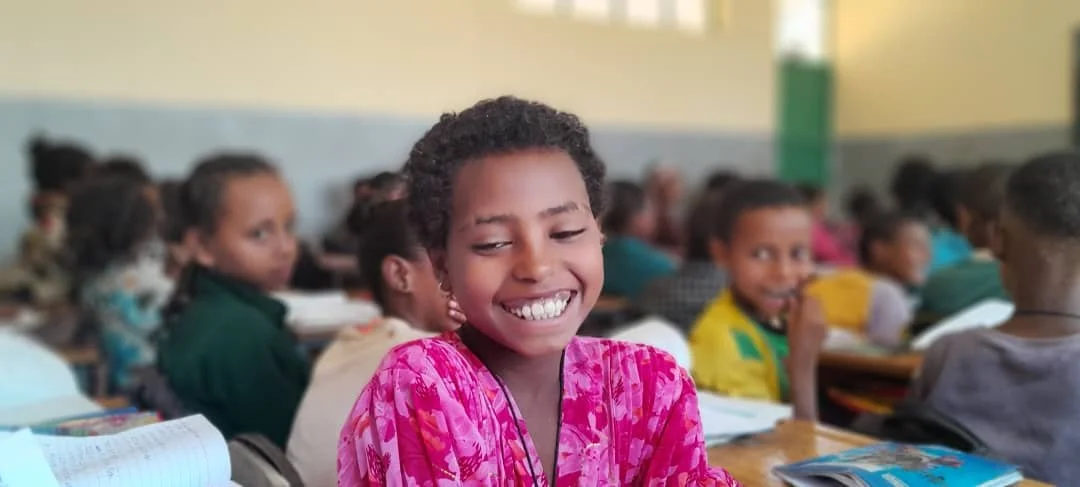
How it works
Assess: three times a year, Fellows assess every student’s reading and math level.
Summarise: KOBO compiles the results by child, class and grade.
Adjust: Fellows use the results to plan their next lessons, an approach called assessment-informed instruction: teaching based on what the data shows each child needs.
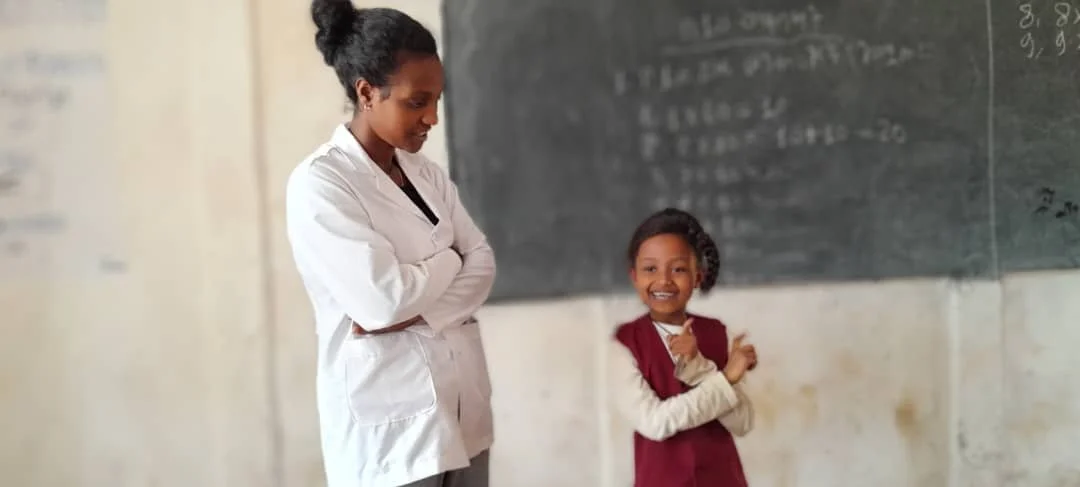
What KOBO gives each stakeholder
Coaches: a structured observation form and scripted feedback, so every Fellow gets consistent, comparable guidance.
Fellows: clear data on where each student stands and what to teach next.
School leaders and TFE: data for monitoring and evaluation across schools.
Students: better teaching, and progress that is tracked and visible.
Built for rural schools. KOBO runs on a smartphone and works offline. It syncs data automatically when a connection is available..
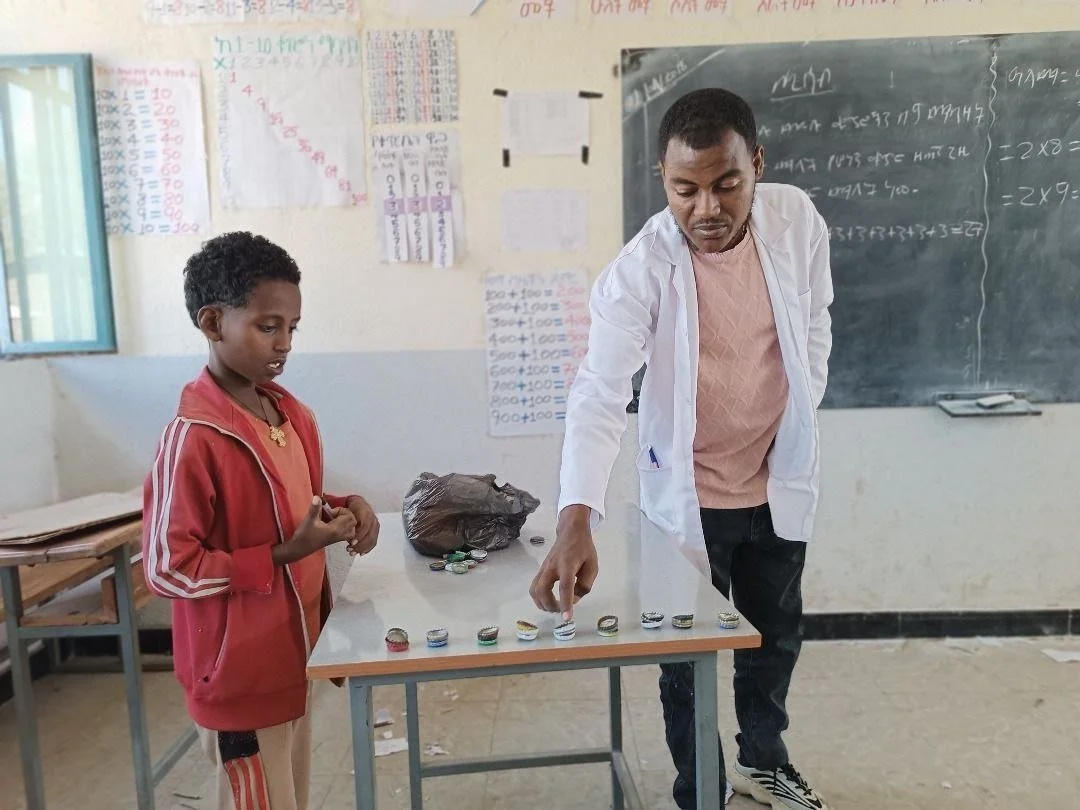
From words to paragraphs in one school year.
On our 0–4 reading scale, one student started the year reading single words. By the end of the year, the same student was reading full paragraphs.
That story is typical of TFE classrooms. On average, students improve 20–30% in literacy and numeracy from the start of the year to the end.
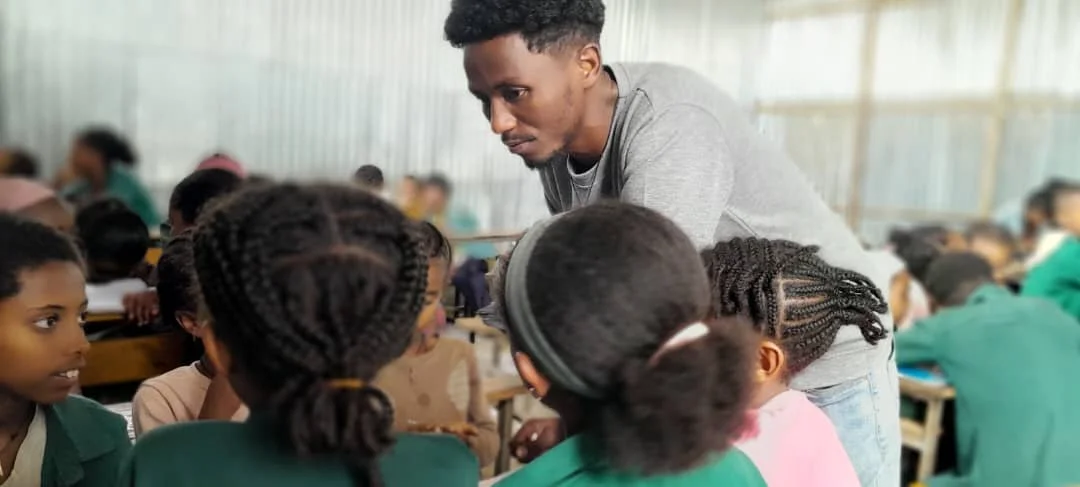
Become the teacher and leader Ethiopia needs.
You studied engineering, economics, biology or something else entirely. TFE helps you turn your talent into massive impact for students who need you the most.
Your first 3 months
You learn how to build a print-rich classroom, make your own teaching aids and manage a large class. By the end of month three you’re applying these skills on your own.
After month 3
You assess your students, read the data and keep adjusting how you teach. You keep building your craft, and your students keep making progress.
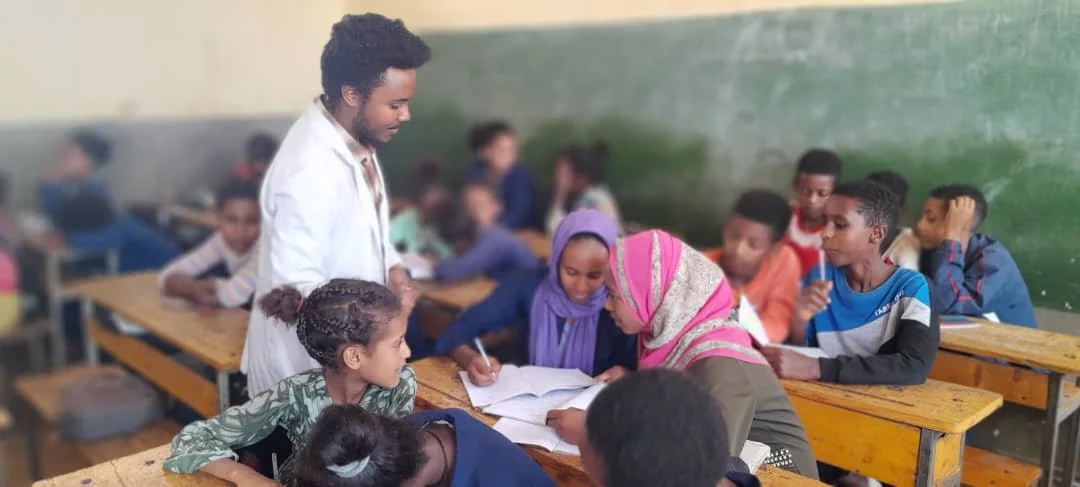
Who supports you
A coach who visits about four times a month
Observations and feedback from your school leaders
Two formal evaluations a year from the TFE team
A cohort of Fellows to share ideas and lessons with
What you’ll take with you
After two years you’ll know how to lead people, solve problems with few resources and deliver results you can prove. Employers in any field are looking for those leadership and entrepreneurial skills, and many alumni get hired straight into government schools.
You’ve never trained as a teacher?
Most of our Fellows hadn’t either before they started the Teach For Ethiopia Fellowship program. What you need is the drive to teach. We’ll train you to become a teacher and a leader, and our coaches started in the same place.